There are many benefits to working for yourself – flexibility, freedom, no commuting if you work from home and the chance to work on different projects are just a few advantages.
However, the self-employed can also be a target for people who take advantage of those looking for work. According to Scambusters, home working scams typically target four key groups – stay at home mothers, disabled or elderly individuals, low income households and those with limited education.
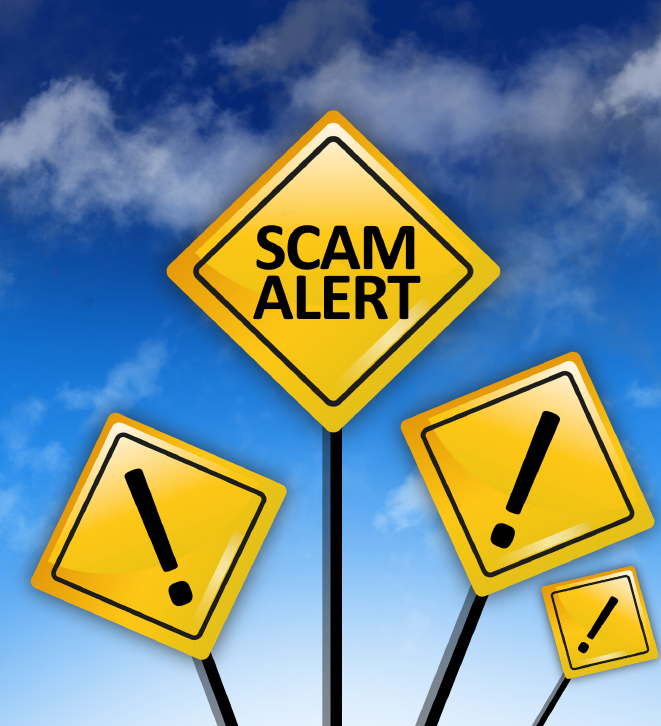
- Product and craft assembly – you will be asked to spend hundreds of pounds in equipment, supplies and material to make certain products, but there will be an excuse as to why they won’t pay you once you submit the final product.
- Survey taking – although this can actually be a legitimate way to make money from home, the likelihood is that you’ll earn pennies for every survey you take.
- Mystery shopping – again, this can sometimes be legitimate, however companies will often require that you pay a hefty fee in order to become ‘certified’, even though there is no such thing as a certification for mystery shopping.